Peptide Certifications Of Analysis
Understanding Certification Of Evaluation For Peptide Sourcing Gabriel Alizaidy, Md, Ms Posted On The Subject
Quality control is extremely important in the manufacturing of research peptides, as it straight influences the integrity of speculative outcomes. At Nextday Peptides, we employ strenuous screening methods to make sure that every set of peptides meets the highest standards of pureness and quality prior to they are launched to our consumers. When dealing with materials such as peptides, researchers depend on the CoA to recognize what's been examined and how. It's not a promise or an assurance concerning what the product will certainly do. Rather, it's a recap of test results that assists confirm the compound's features under defined laboratory problems.- Trifluoroacetic acid generally continues to be in peptides as a counterion from HPLC purification.
- Therefore, several customers view HPLC and LC-MS together as a stronger paperwork combination than either technique alone.
- Factors such as the peptide's intended application, purity level, and specific qualities ought to be taken into consideration when making this choice.
- High-Performance Liquid Chromatography (HPLC) works as the gold requirement for peptide pureness resolution.
- A visible test date aids buyers understand when the set was assessed and whether the report shows up present and relevant to the item being provided.
The Relevance Of Batch-specific Documentation
In easy terms, HPLC is usually made use of for purity reporting, while LC-MS can include another layer of identity-focused context. A peptide Certificate of Analysis (COA) is among the most essential papers customers evaluate when evaluating research peptides. A Certificate of Evaluation is a detailed paper that confirms a product satisfies its given top quality criteria. For our peptides, this indicates confirming their chemical identification, purity, and concentration with sophisticated analytical techniques.
A Certificate of Analysis is a technological document produced from logical screening of a specific set of a substance. It certifies that the set has been examined by a https://peptides-uk.org/ qualified lab, and supplies the real gauged data from that testing. A COA is not a guarantee-- it is a record of what screening revealed for that certain batch.
Should Researchers Ask For A Coa Before Purchase?
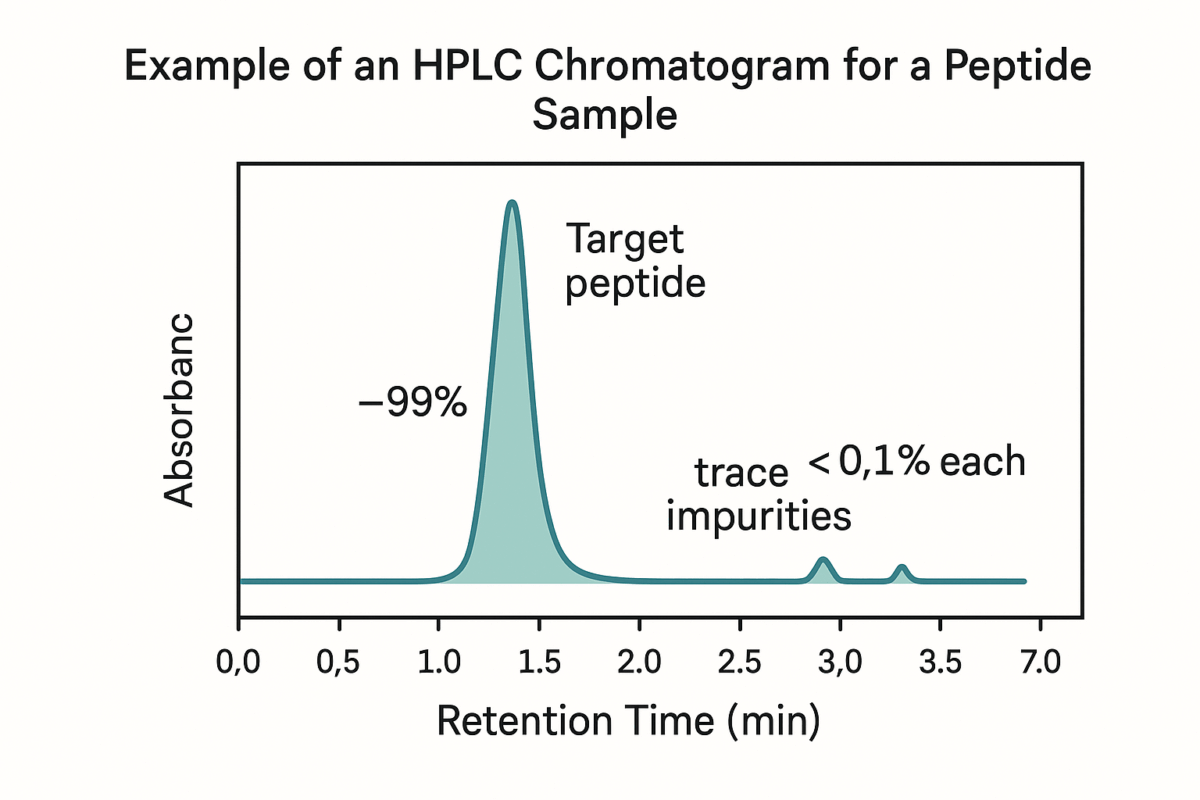
If the file can not be tied to a details set, it becomes much harder to recognize whether the reported results in fact apply to the item being sold. HPLC is usually utilized to separate components within an example and approximate the relative percentage of the major obvious top. For buyers, this makes it a common reference point for assessing reported pureness data on a batch-specific document. A COA ought to not only show a result, yet likewise indicate how that outcome was acquired. In many cases, purchasers will certainly see techniques such as HPLC for purity reporting and, when offered, LC-MS for identity-related verification.
Why Coas Matter When Getting Study Peptides
To make sure quality, each batch undergoes strenuous testing to meet stringent industry requirements. Furthermore, we supply a Certification of Evaluation (COA) for every single product to assure openness. This essential file verifies identification, purity, and structure, making certain scientists obtain trusted compounds for their researches. Grasping COA interpretation represents a crucial skill for any person involved with study peptides. The document acts as your primary quality assurance tool in an industry where regulatory oversight stays minimal and item top quality varies dramatically in between providers.
